

 Trending
 Turkey
Bazaars, Bosphorus and ancient wonders
Morocco is one of the world great travel experiences -- a country of dramatic contrasts where ancient and modern, African and Arab, desert and ocean exist side by side. The medinas of Marrakech and Fes are UNESCO-listed cities that have barely changed in centuries. The Sahara offers one of the great natural spectacles on earth. And the food -- built on spice, slow cooking and extraordinary hospitality -- is one of the world great cuisines.
Moroccan culture is a remarkable fusion of Berber, Arab, Andalusian and sub-Saharan African influences. Hospitality to strangers is a deep cultural value -- the offer of mint tea is an act of welcome that should always be accepted. The souks, the hammams, the mosques and the storytelling culture of Djemaa el-Fna make Morocco a living, breathing theatre of culture.
 Free Cancel
 Free Cancel
 Free Cancel

 Free Cancel
 Free Cancel
 Free Cancel
 Free Cancel
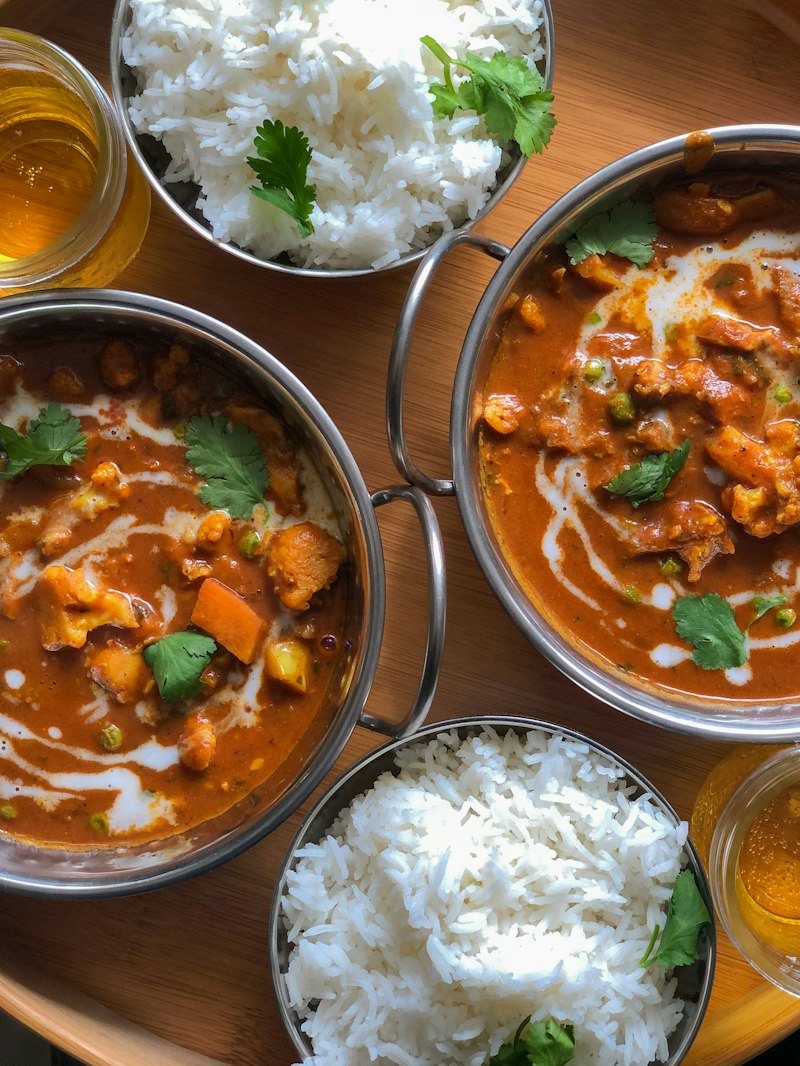
Moroccan cuisine is built on the great spice trade routes that passed through the country for centuries. Ras el hanout, preserved lemons, argan oil, saffron -- these are ingredients that define a cuisine of extraordinary complexity and generosity. Meals are communal, unhurried and always generous.
Morocco defining dish -- slow-cooked meat or vegetables in a conical clay pot with preserved lemon, olives, spices and herbs. Lamb, chicken or kefta -- each version is a different expression of the same philosophy of patience and spice.
The great Berber dish -- semolina steamed to extraordinary lightness and piled with slow-braised vegetables and meat. Friday couscous is a Moroccan family ritual as important as Sunday roast in Britain.
Msemen (flaky griddle bread), amlou (argan oil and almond paste), honey, olives and fresh orange juice. The Moroccan breakfast spread is one of the great slow meals of the world.
The great Moroccan pastry -- a delicate filo parcel filled with pigeon or chicken, almonds and egg, dusted with cinnamon and icing sugar. Sweet and savoury together, it is a glimpse of the Andalusian influence on Moroccan court cooking.
Moroccan mint tea -- gunpowder green tea, fresh mint leaves and sugar, poured from height to create a froth -- is the great social lubricant of Moroccan life. Refusing a glass is considered impolite.

The labyrinthine souks of the Marrakech medina are one of the great sensory experiences of travel -- copper, leather, spice, fabric and pottery in a maze that has barely changed in centuries.
The great square of Marrakech transforms at dusk into an open-air theatre -- storytellers, musicians, food stalls, acrobats and snake charmers in a spectacle that has been going on for a thousand years.

The Erg Chebbi dunes near Merzouga are among the most dramatic landscapes on earth -- 150-metre walls of orange sand that glow at sunrise and sunset. Camel trekking and camping under the stars are unforgettable experiences.

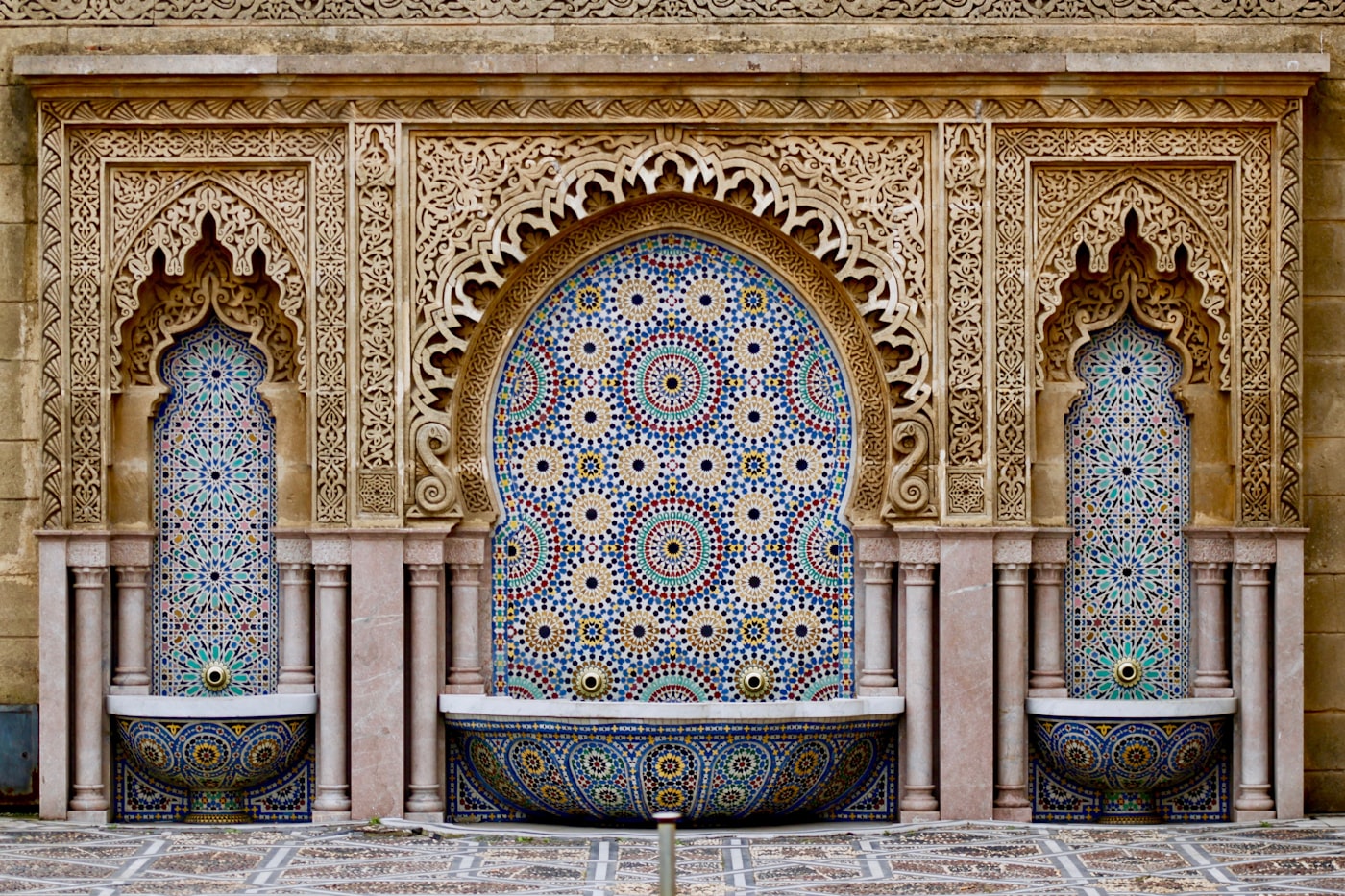
The medina of Fes is the largest car-free urban area in the world -- a UNESCO World Heritage site of mosques, madrasas, tanneries and fountains that has been the intellectual heart of Morocco for over 1,000 years.
Tell me how long you have, who you are travelling with and what you love -- I will build your perfect Morocco itinerary.
Every experience handpicked for authentic cultural immersion.
Food is how we understand a place. Our tours go deep into local kitchens and markets.
Every booking backed by free cancellation, 24/7 support and millions of verified reviews.
A British-run travel brand with deep roots in the destinations we love.
Tell our AI trip planner your travel dreams and it will build your perfect cultural itinerary.
Start Planning Free