

 Trending
 Turkey
Bazaars, Bosphorus and ancient wonders
Belgium invented the modern chocolate truffle, produces extraordinary handmade pralines, gave the world moules-frites and the waffle, and quietly contains some of Europe greatest medieval architecture. Brussels is the capital of Europe but also a deeply underrated food city. Bruges is the medieval fairy tale. Ghent is the young, creative alternative.
Belgian culture is fascinatingly complex -- a country that speaks three languages yet produces extraordinary art, world-class food and a national genius for the pleasures of everyday life. The Belgian concept of gezelligheid -- convivial warmth in a comfortable setting -- governs the cafe culture at the heart of Belgian social life.

 Free Cancel
 Free Cancel
 Free Cancel
 Free Cancel
 Free Cancel
 Free Cancel
 Free Cancel
 Free Cancel
Belgian food culture is serious, generous and deeply satisfying. The country has more Michelin stars per capita than France, and yet its greatest pleasures are democratic: a cone of perfectly fried frites, a box of hand-made pralines, a fresh waffle from a street stall in the rain.
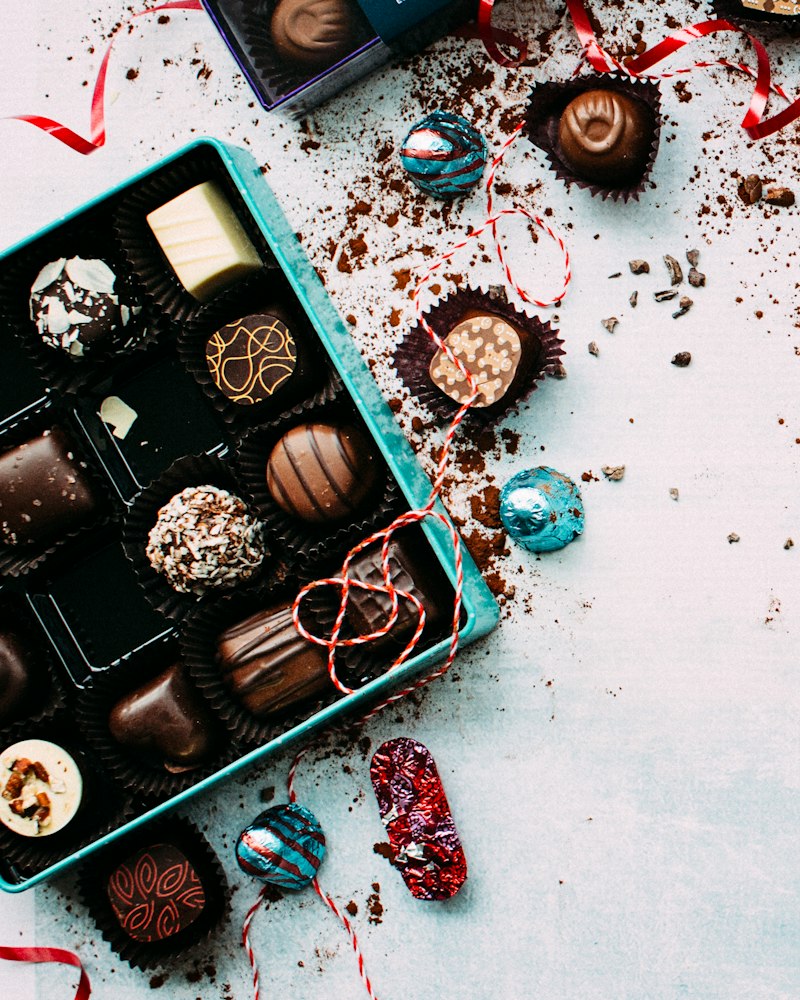
Belgian chocolate is the world standard. The Brussels chocolatiers of the Sablon district produce pralines and truffles of extraordinary complexity and craft. A chocolate tour is one of the city definitive experiences.
The Belgian national dish -- mussels steamed with shallots, parsley and cream, served in the pot with perfectly crispy frites. Eaten in the Grand Place area on a cool evening, it is perfect food.
Belgian waffles come in two forms: the Brussels waffle (light, rectangular, crispy) and the Liege waffle (dense, caramelised, eaten warm from a street stall). The Liege version is one of the great cheap pleasures of European travel.
Belgian frites are double-fried in beef fat for extraordinary crispness, served in a paper cone with a choice from dozens of sauces. The classic is mayonnaise -- genuinely different from anything you have had before.
Ghent has one of Belgium most creative restaurant scenes -- built around seasonal Flemish vegetables, North Sea fish and an extraordinary bread culture. The Thursday vegetable market is a wonderful local experience.
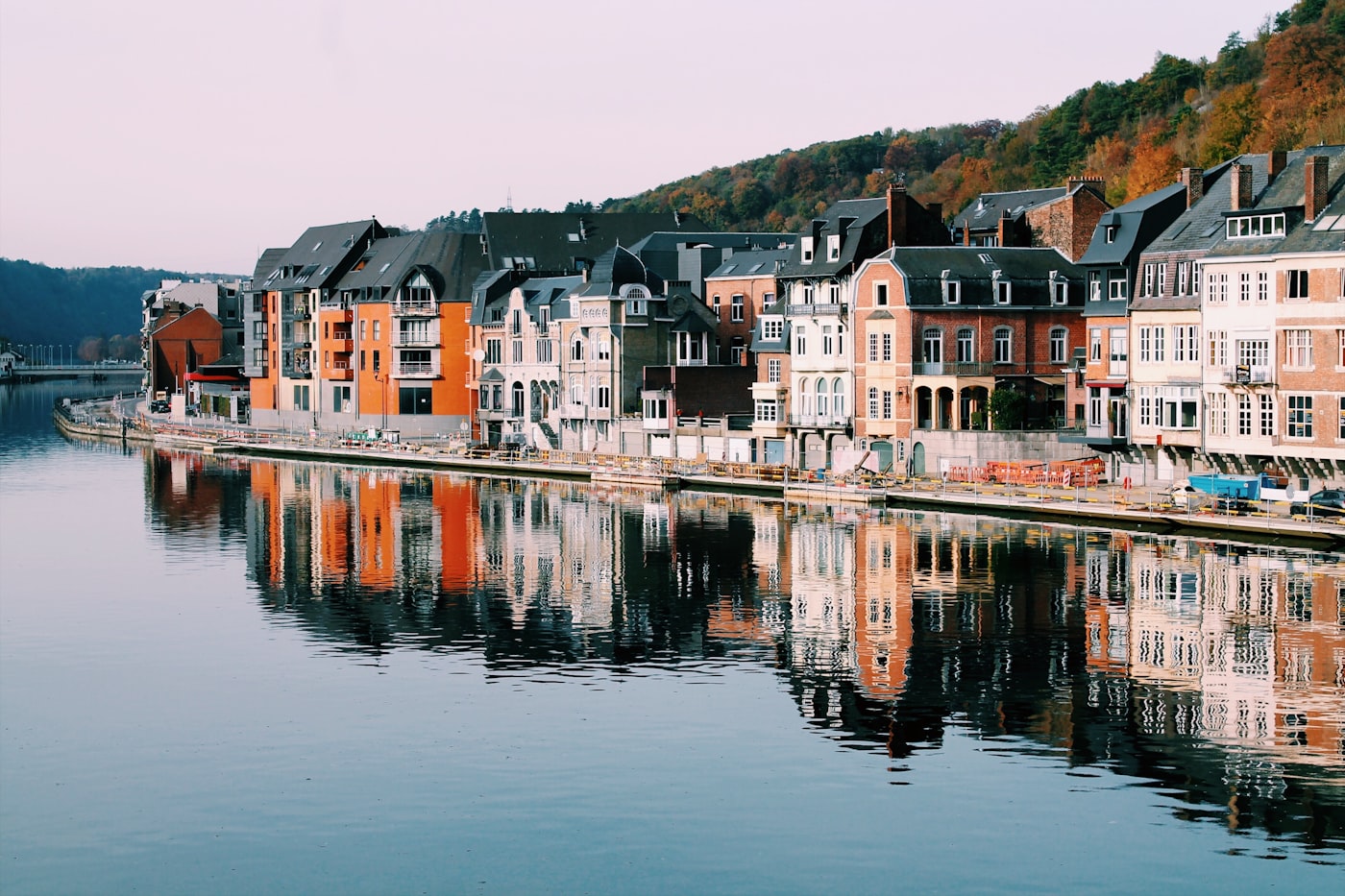
The medieval centre of Bruges -- canals, guild houses, belfry towers -- is one of the best-preserved medieval cities in Europe. Arrive early morning to see it at its best.
The Grand Place -- surrounded by gilded guild houses from the 17th century, with the Gothic town hall at one end -- is one of the great urban spaces of Europe.

Ghent medieval castle and the Graslei quay -- lined with guild houses dating from the 12th to 18th centuries -- are among the finest medieval streetscapes in Europe.
Several Brussels and Bruges chocolatiers offer hands-on chocolate making workshops -- learning the craft of tempering, moulding and filling pralines from master chocolatiers.
Tell me how long you have, who you are travelling with and what you love -- I will build your perfect Belgium itinerary.
Every experience handpicked for authentic cultural immersion.
Food is how we understand a place. Our tours go deep into local kitchens and markets.
Every booking backed by free cancellation, 24/7 support and millions of verified reviews.
A British-run travel brand with deep roots in the destinations we love.
Tell our AI trip planner your travel dreams and it will build your perfect cultural itinerary.
Start Planning Free