

 Trending
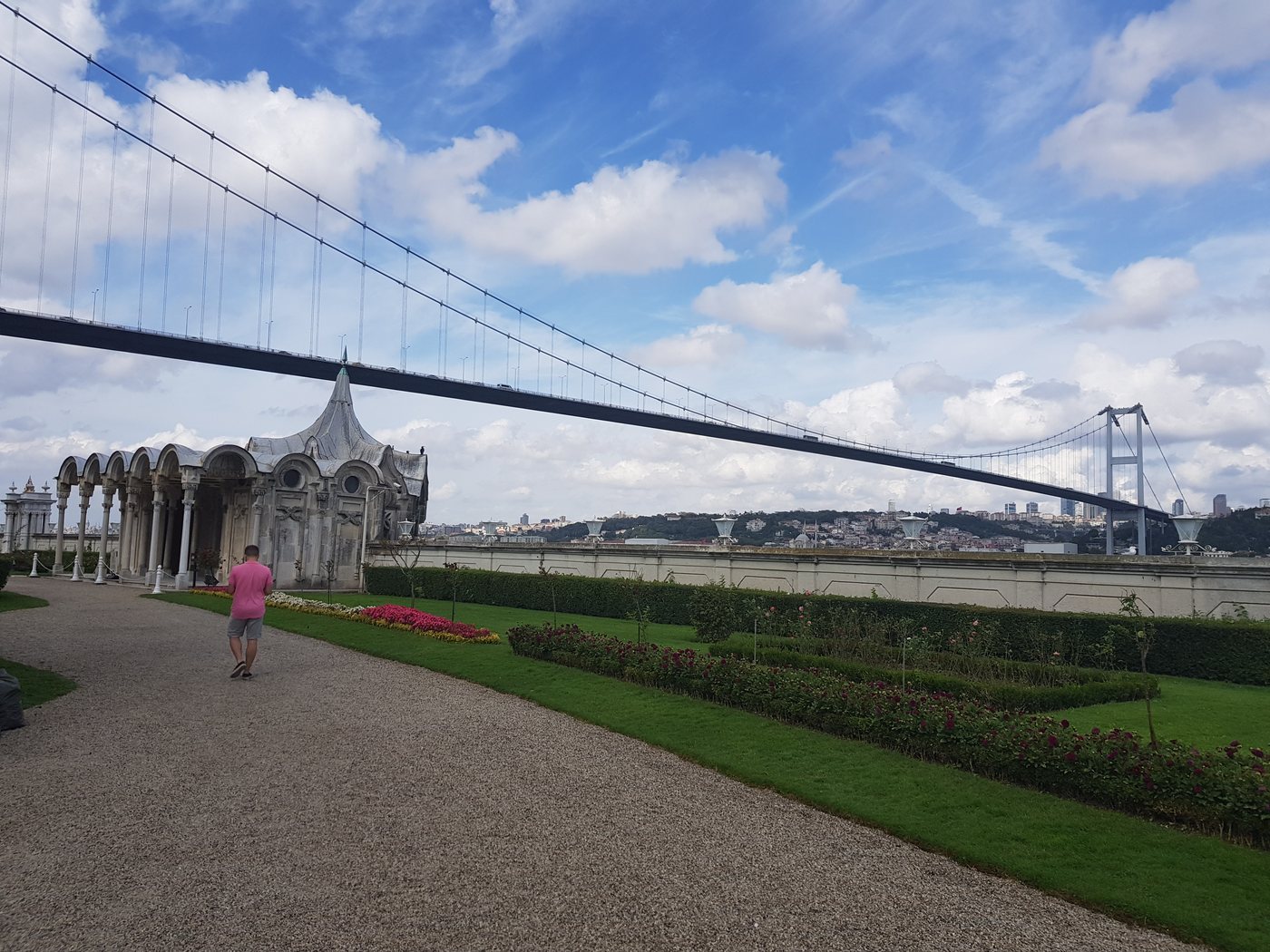
 Turkey
Bazaars, Bosphorus and ancient wonders
Jordan is one of the Middle East most rewarding destinations -- a country of extraordinary archaeological wealth, genuine hospitality and landscapes from the rose-red canyon city of Petra to the silence of Wadi Rum desert under a billion stars.
Jordanian culture is built on Bedouin traditions of hospitality, generosity and honour -- expressed through an insistence on sharing food and welcoming strangers. The country is majority Muslim, observant but relaxed.
 Free Cancel
 Free Cancel
 Free Cancel
 Free Cancel
 Free Cancel

 Free Cancel
 Free Cancel
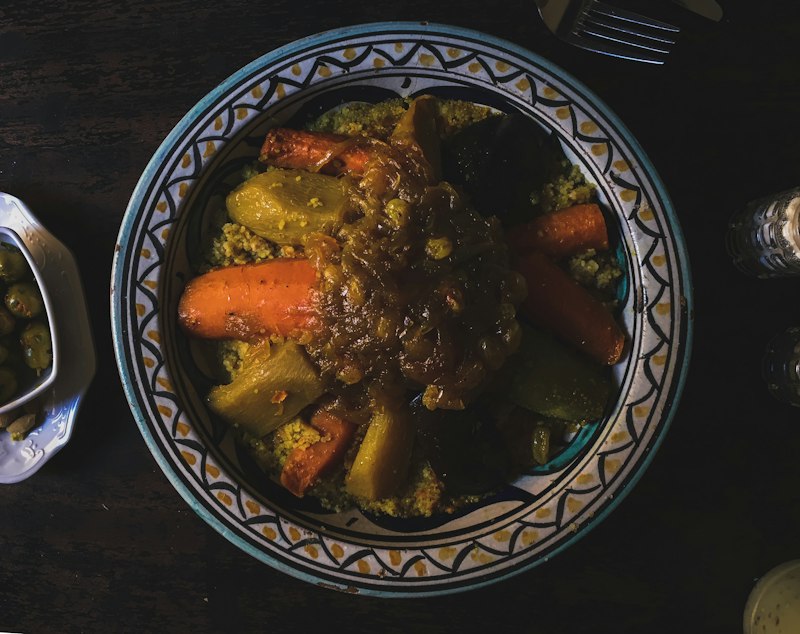
Jordanian food is generous, communal and deeply flavoured -- built on slow-cooked lamb, flatbreads baked on stone, wild herbs and the ancient tradition of mezze. Mansaf is the lens through which Jordanian hospitality is best understood.
Jordan national dish and the highest expression of Bedouin hospitality -- slow-cooked lamb in jameed dried yogurt sauce over rice, topped with pine nuts. Eaten standing, with the right hand only.
The spread of small dishes that begins every Jordanian meal -- hummus, mutabbal, fattoush, tabbouleh, stuffed vine leaves, labneh with olive oil. In Jordan the mezze is a meal in itself.
The Bedouin underground oven -- meat and vegetables cooked over hot coals buried in the sand. The definitive Wadi Rum experience, eaten under the stars.
The great Levantine dessert -- shredded wheat pastry over soft white cheese, soaked in sugar syrup and dusted with crushed pistachios.
Cardamom-spiced coffee -- pale gold, unsweetened, served from a long-spouted dallah pot. The social ritual of Arabic coffee is inseparable from Jordanian hospitality.
The Nabataean rose-red city carved from sandstone canyon walls -- the Treasury revealed at the end of the Siq canyon, the Monastery at the top of 850 steps. One of the great archaeological sites of the world.

The Valley of the Moon -- vast sandstone massifs rising from an orange sand desert, Lawrence of Arabia country. A night in a Bedouin camp under the stars is among the finest travel experiences in the region.
The lowest point on earth -- 430m below sea level -- where the salt concentration is so high that swimming is impossible. The mineral-rich black mud ritual has continued since Roman times.

The best-preserved Roman provincial city outside Italy -- colonnaded streets, triumphal arches, a hippodrome and temples still largely intact.
Tell me how long you have, who you are travelling with and what you love -- I will build your perfect Jordan itinerary.
Every experience handpicked for authentic cultural immersion.
Food is how we understand a place. Our tours go deep into local kitchens and markets.
Every booking backed by free cancellation, 24/7 support and millions of verified reviews.
A British-run travel brand with deep roots in the destinations we love.
Tell our AI trip planner your travel dreams and it will build your perfect cultural itinerary.
Start Planning Free